
Learning Outside the Classroom
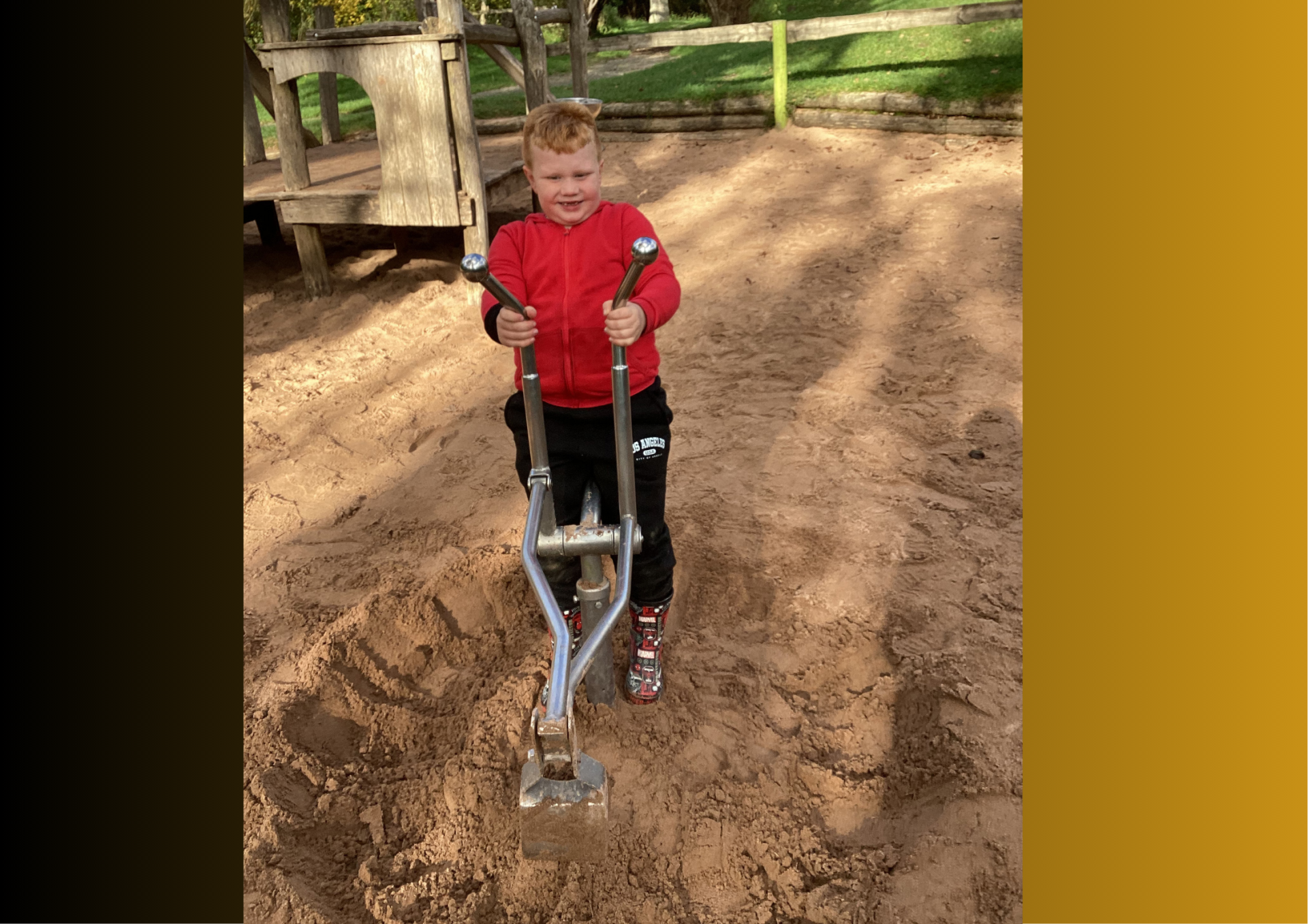
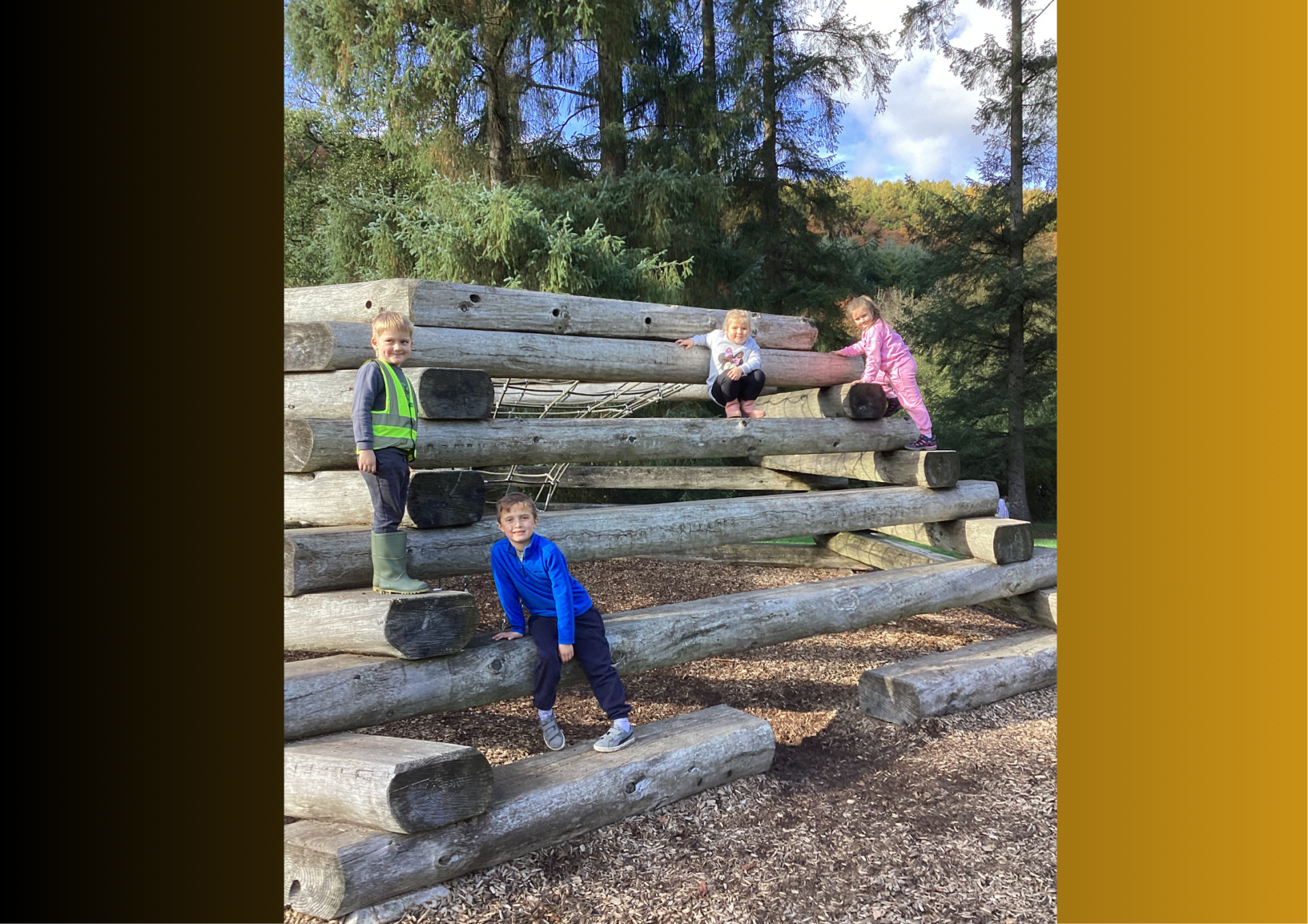
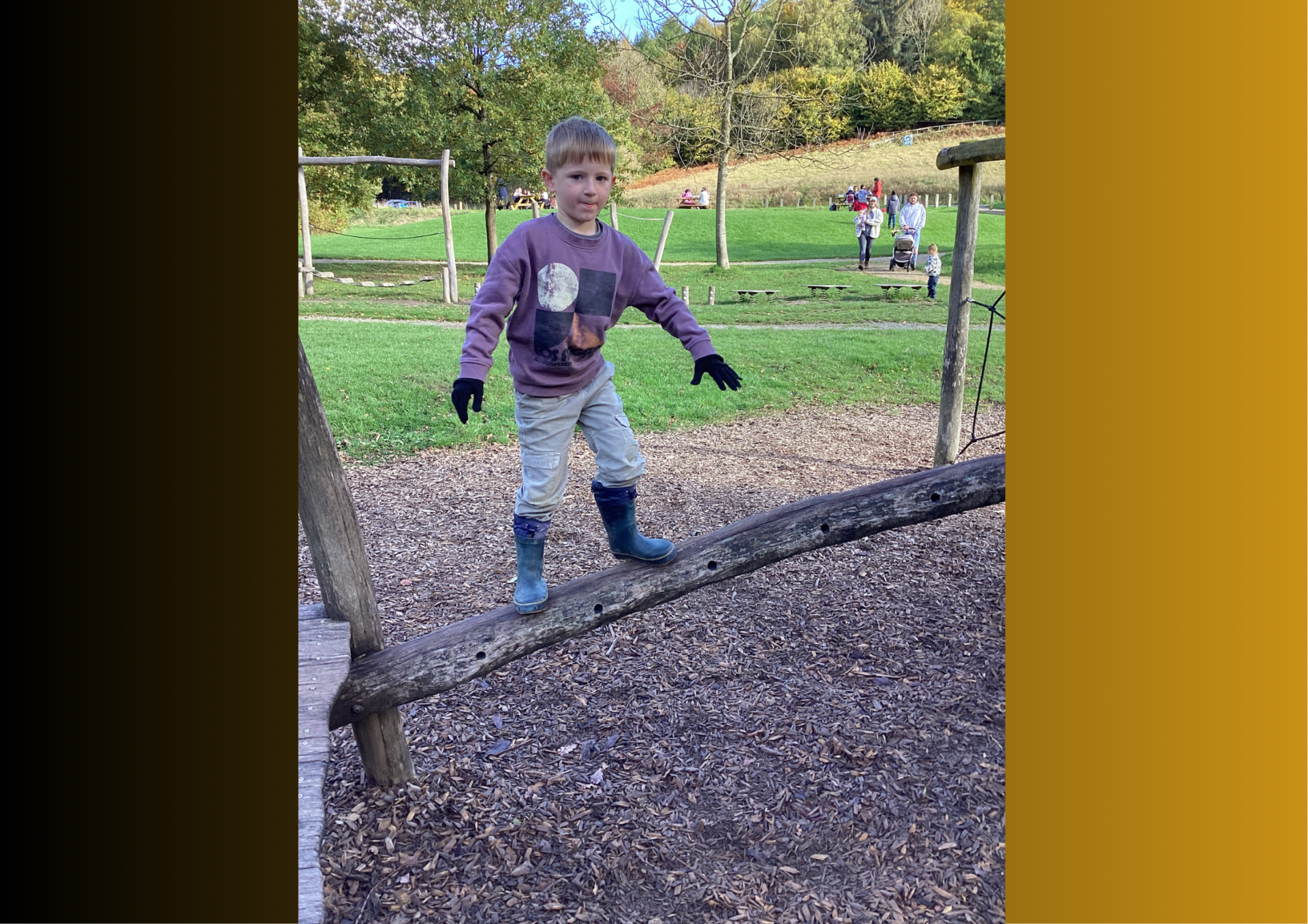
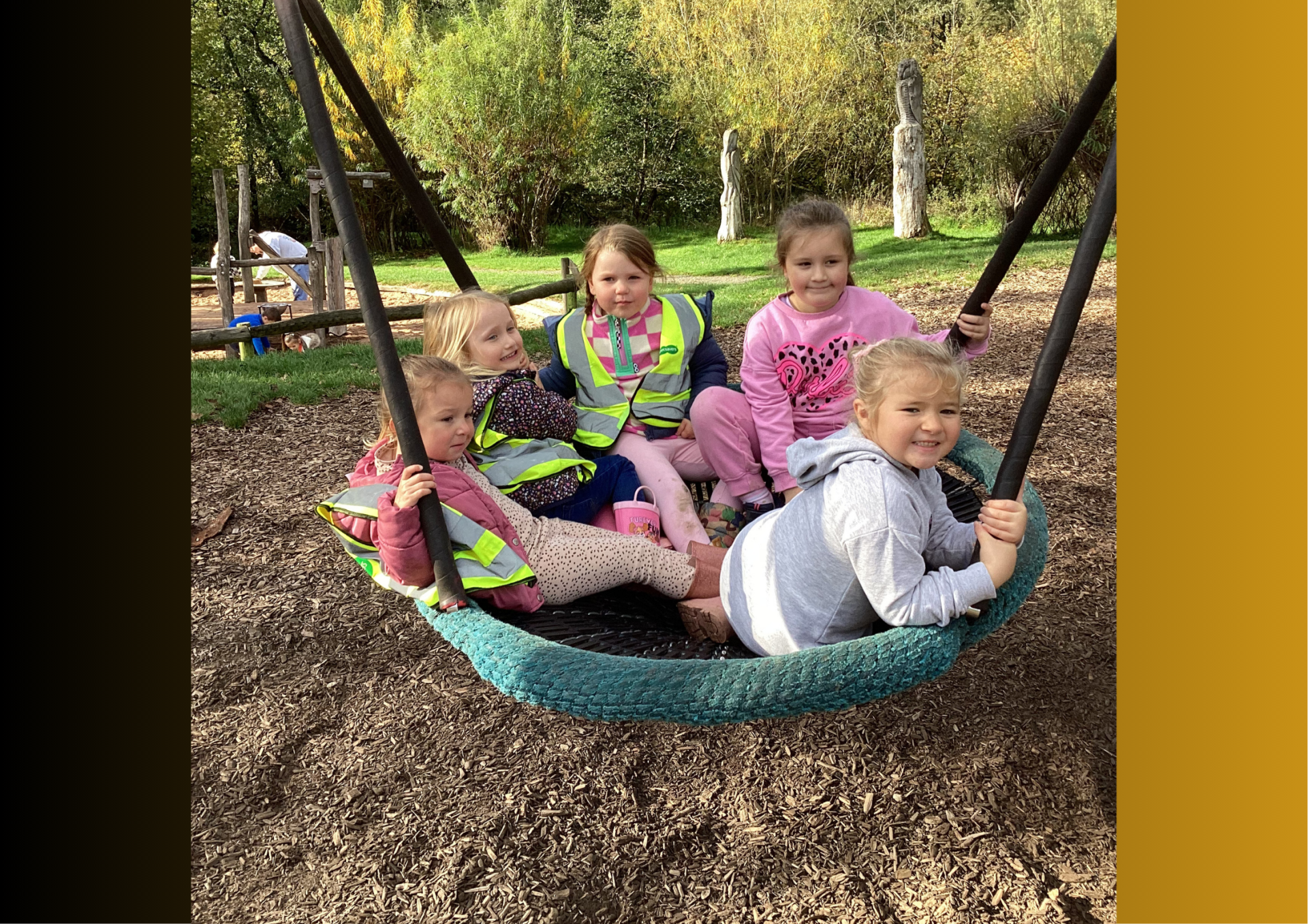
What benefits will my child get from Learning Outside the Classroom?
Learning Outside the Classroom supports the holistic development of the whole child:
- Health and fitness – Being active in an outdoor, natural environment
- Increased emotional wellbeing –There is research available supporting this
- Social development – Communicating, and negotiating with peers and adults to solve problems and share experiences
- Skills development – Developing fine and gross motor skills and coordination for real life purposes
- Gaining knowledge and understanding of the world around us – Multi–sensory, real-life learning
- Individualised learning – Careful observation allows adults to tailor support to children’s own interests and stage of development
- Curriculum Links – Learning Outside the Classroom supports all areas of the National Curriculum and Early Years Foundation Stage and this year we are focusing primarily on the development of writing.
Each Learning Outside the Classroom programme is tailored to meet the needs of individuals within that group and is continuously developed as the children/young people grow in confidence, skills and understanding.
The ethos of Learning Outside the Classroom allows learners the time and space to develop skills, interests and understanding through practical, hands on experiences. It also allows practitioners to step back and observe the children/young people in order to then encourage and inspire individuals to achieve through careful scaffolding and facilitating.
Where will my child will be going?
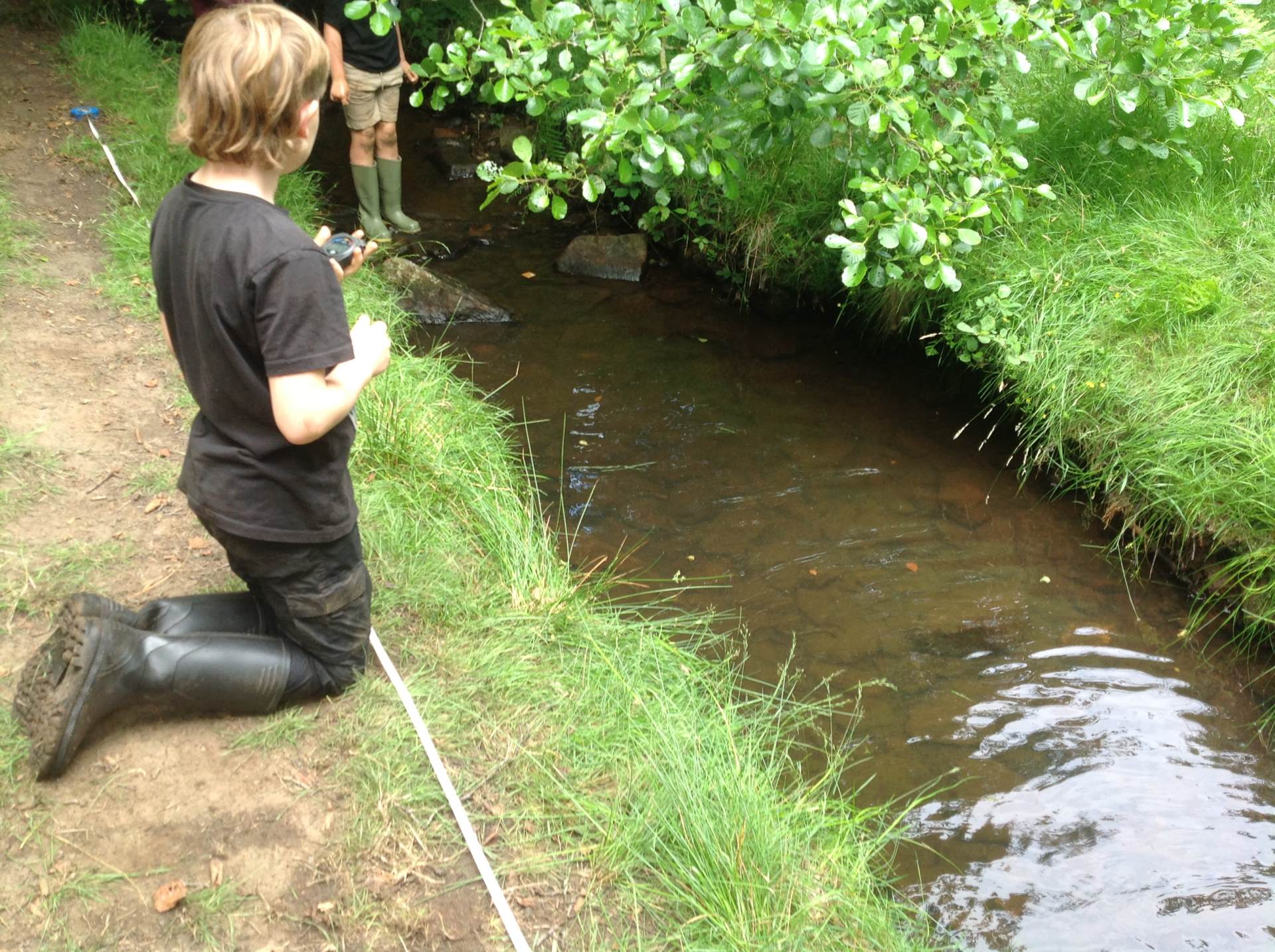
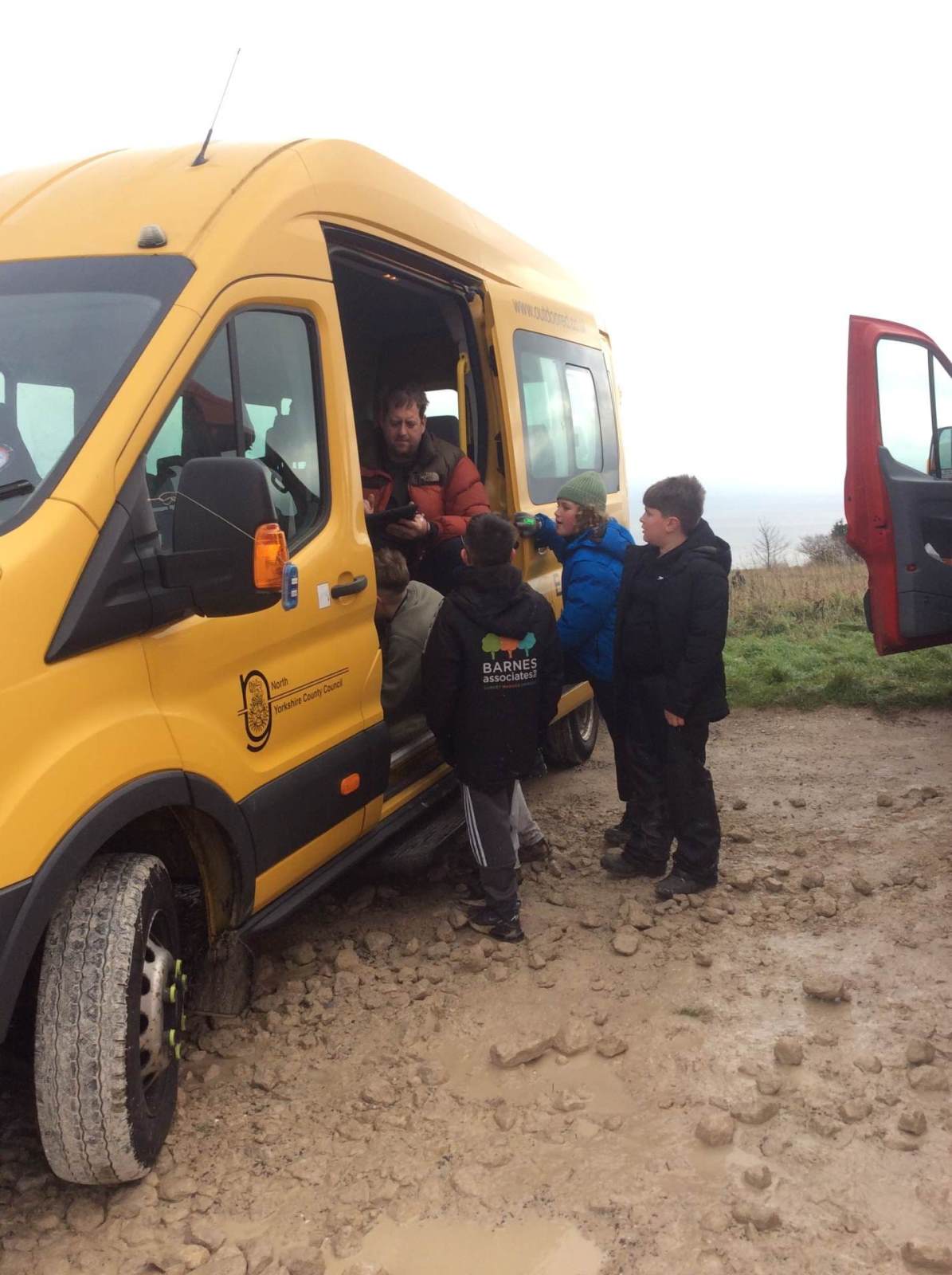
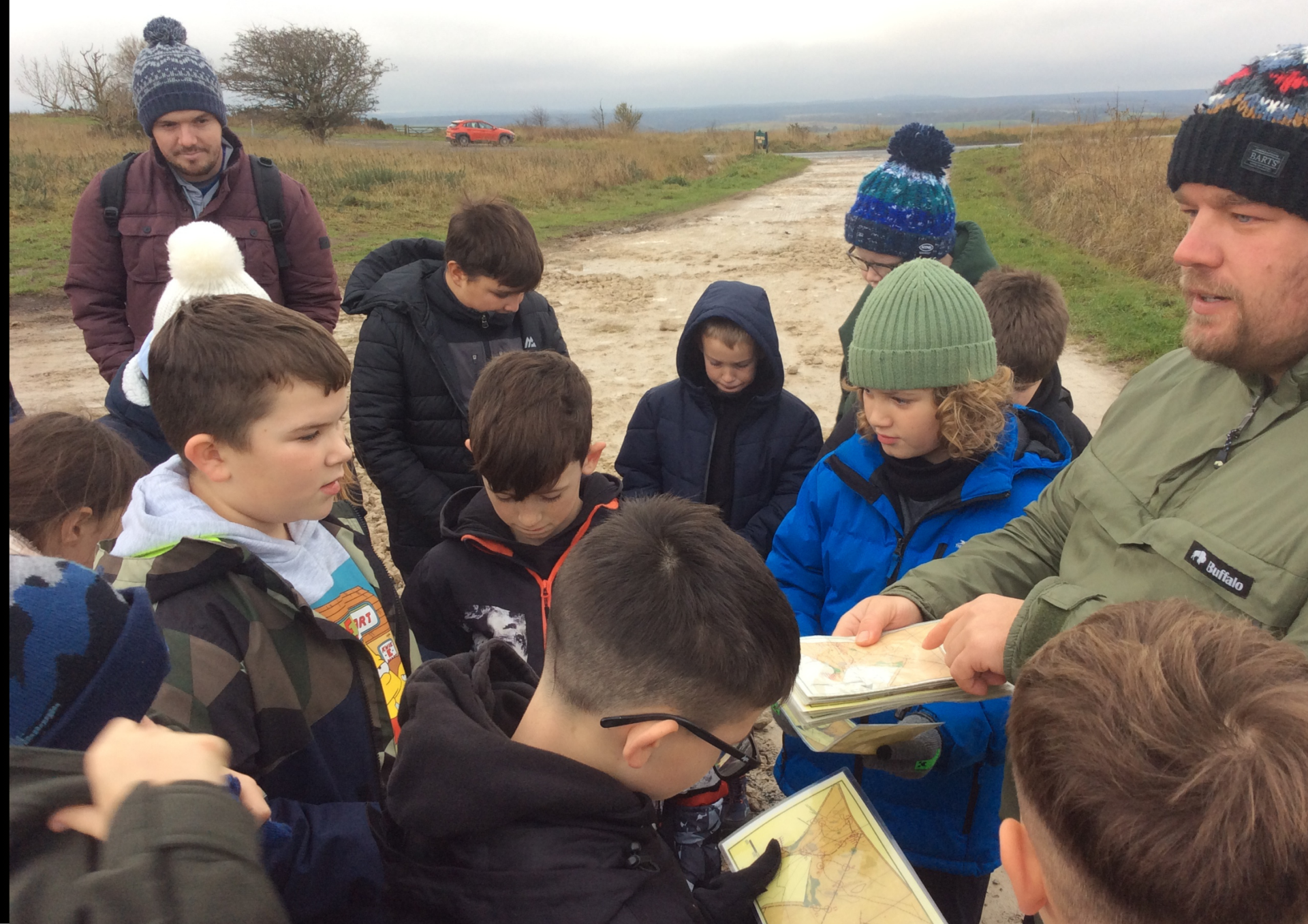
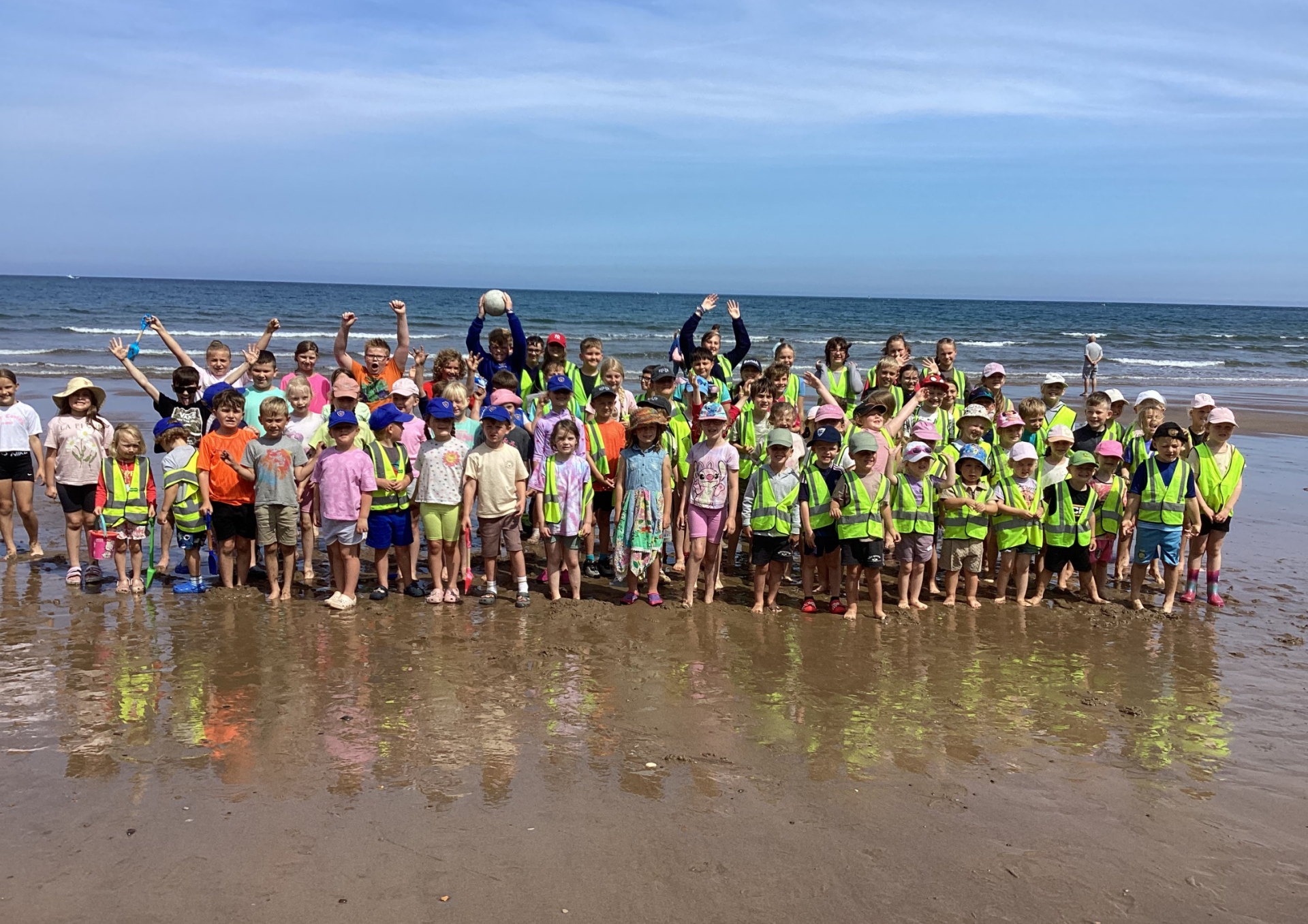
We are very fortunate to be surrounded by an area of outstanding beauty that lends itself to Learning Outside the Classroom teaching approaches. We will be visiting sites around Whitby, as well as using our extensive school grounds and the local area. All sites are safe; they are thoroughly risk assessed and managed appropriately by school staff.
A regular part of our curriculum is our Forest School offer, led by our own Forest School qualified staff. Find out more here:
What will my child be doing?
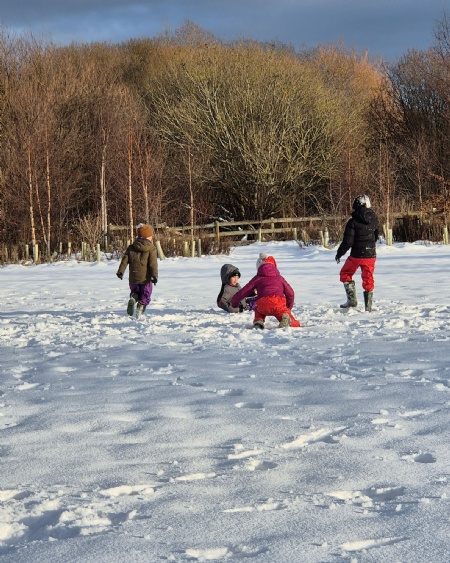
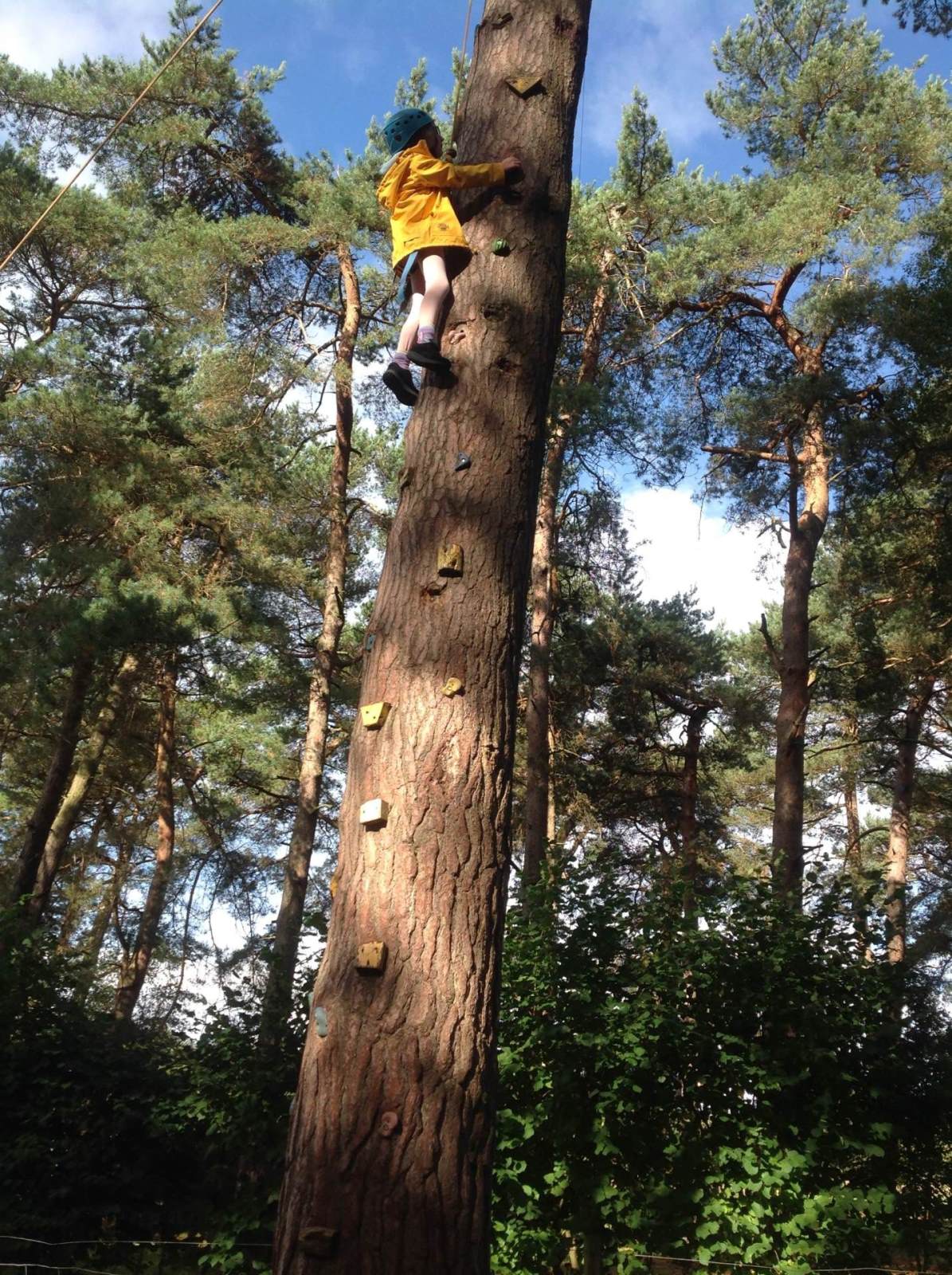
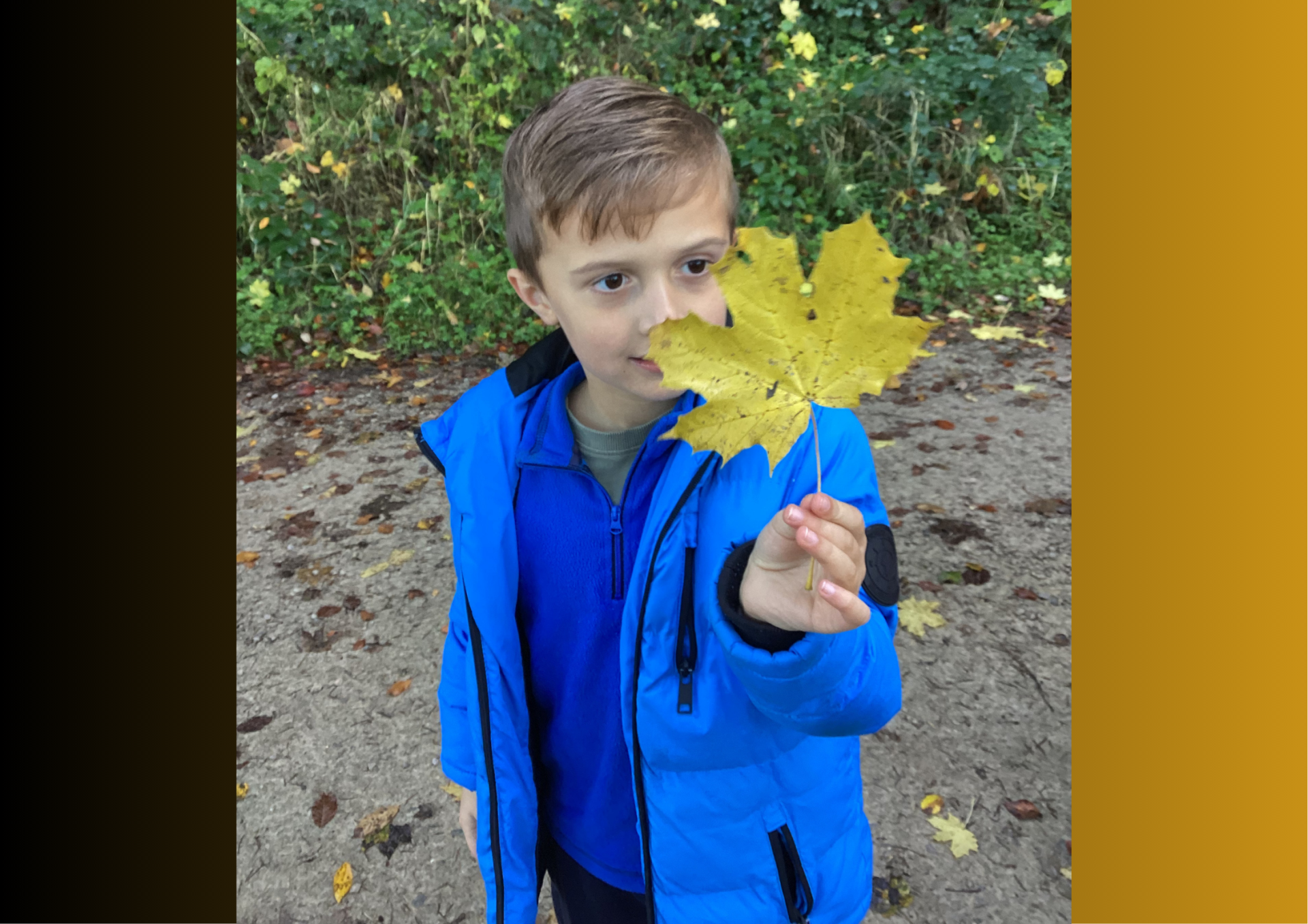
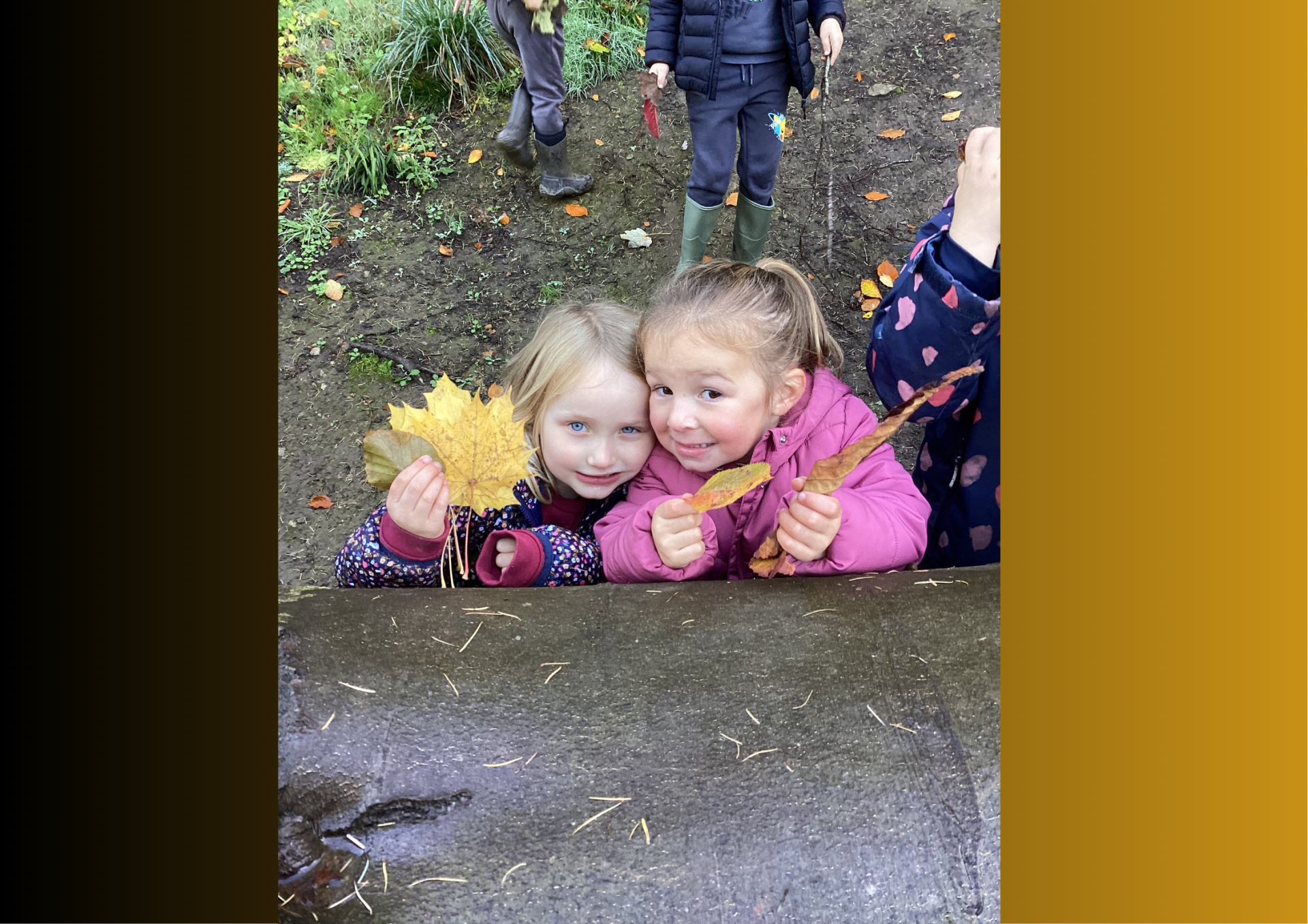
Children will experience a wide variety of multi-sensory experiences within the natural environment. The sessions run in all weather conditions (unless weather conditions are dangerous).
The child led ethos of Learning Outside the Classroom means that once at the site, the children can choose what to participate in, carefully supported and encouraged by trained adults.
Possible activities may include:
- Using the outdoors as starting points for writing and story telling
- Project work that supports different curriculum areas, including the RSPB Bird Watch 2026
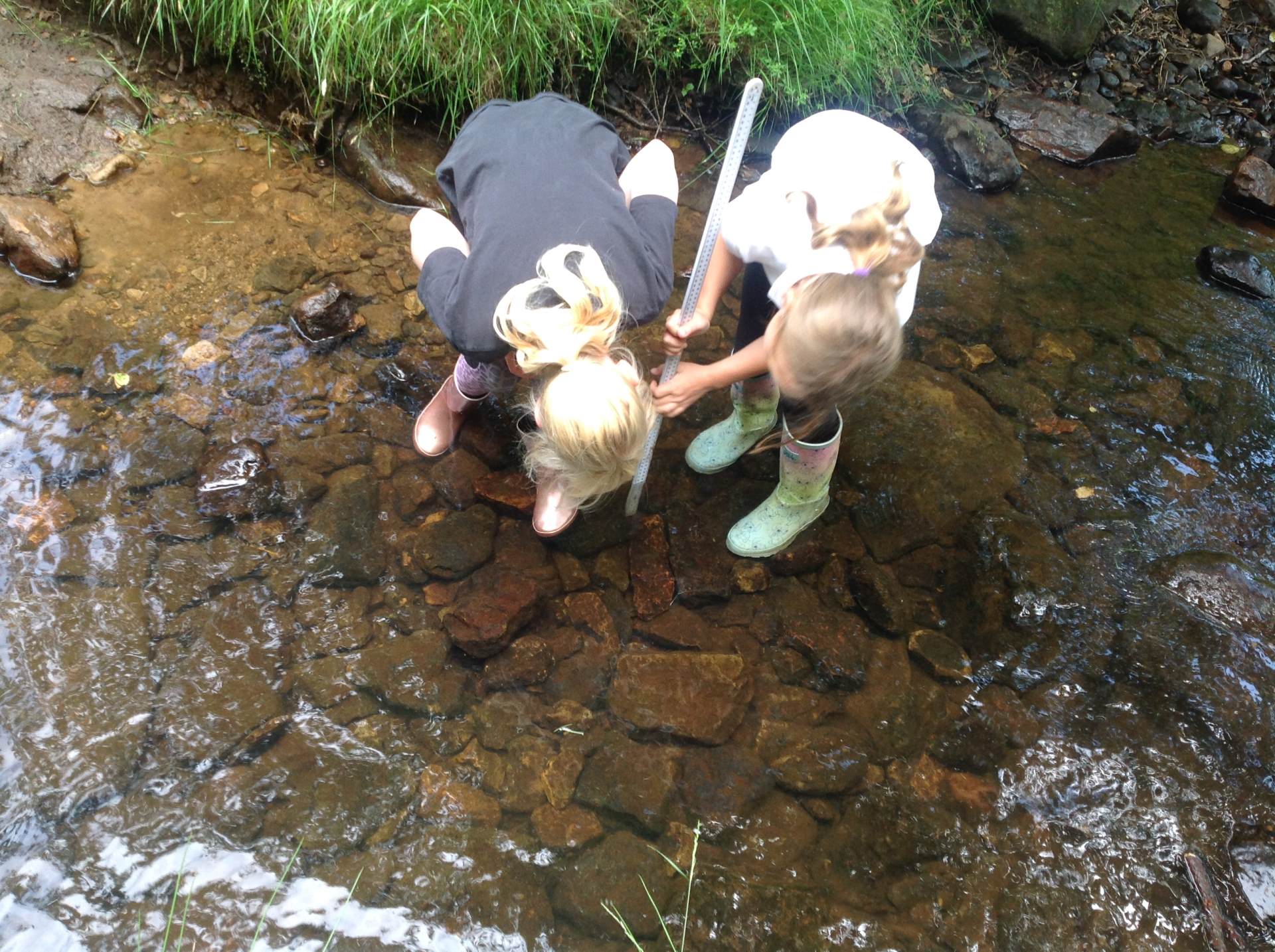
- Hunting for mini beasts - links to the science curriculum, starting points for creative writing
- Natural crafts – making necklaces from elder, crowns or dream catchers from willow, collages from natural materials, weaving with long grasses, making tree cookies
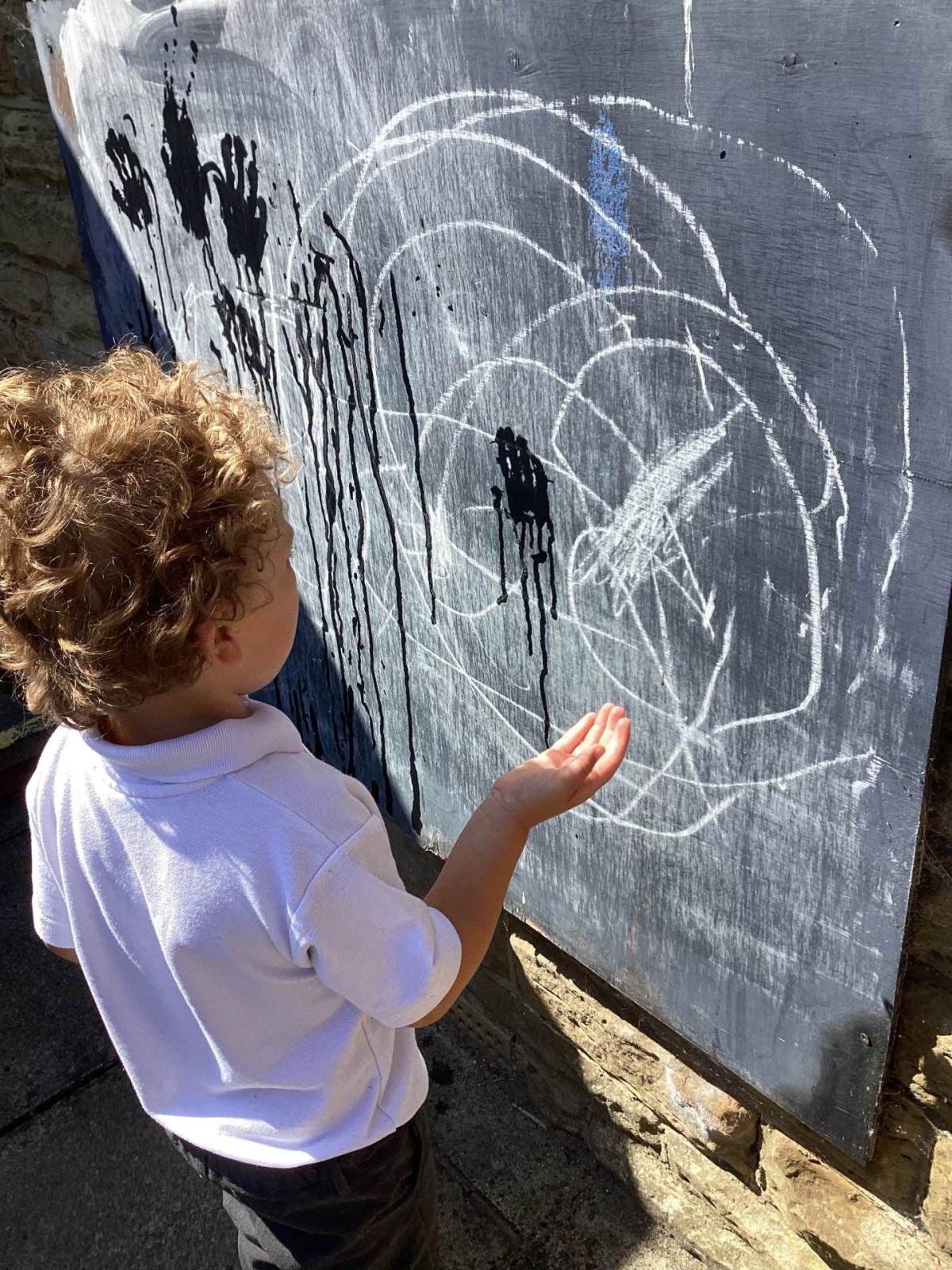
- Mud Painting and sculptures - supporting the development of good emotional health
- Digging for a purpose
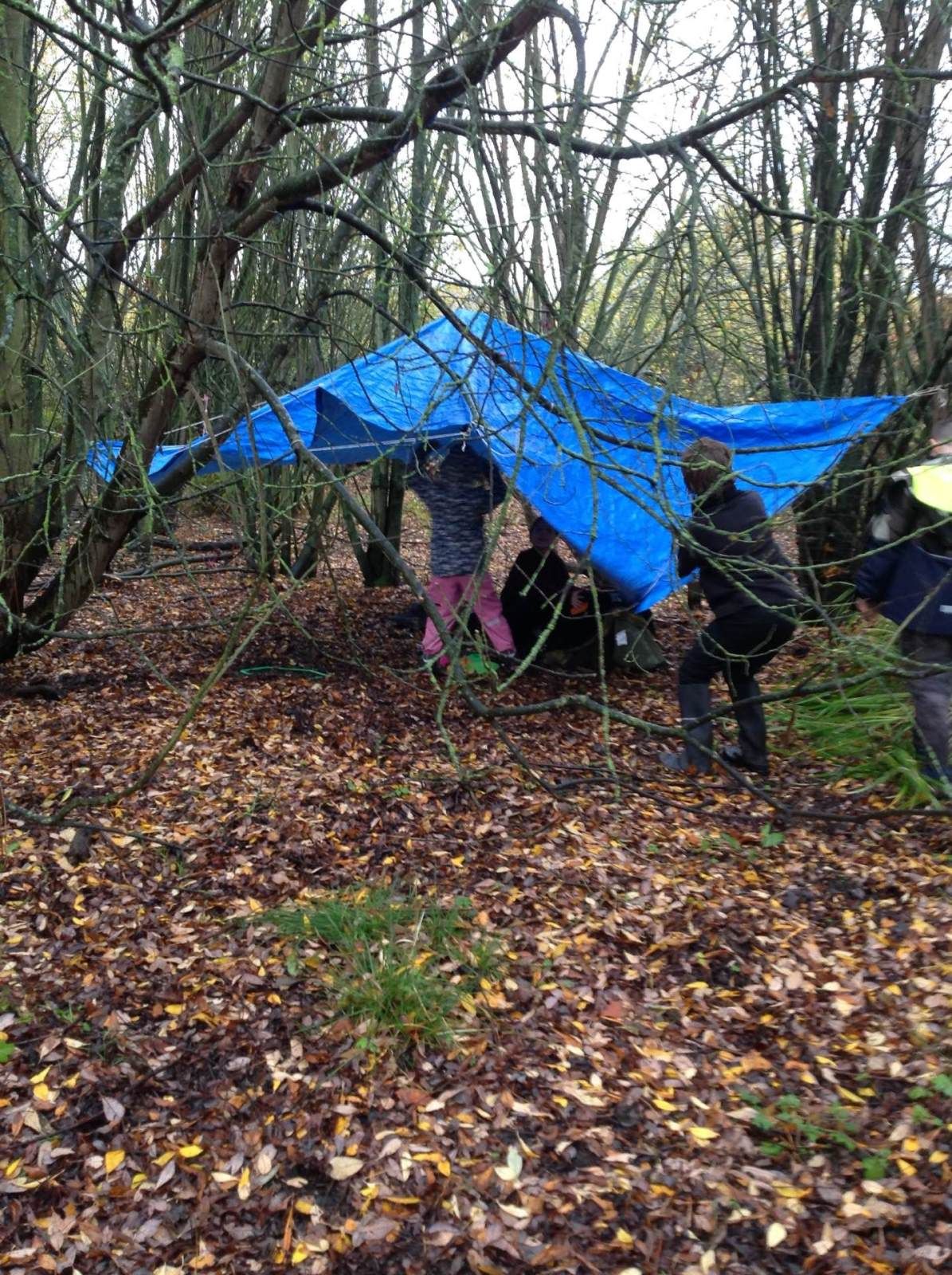
- Shelter building and knot tying
- Using tools for a purpose – such as peeling bark from sticks with potato peelers to make toasting forks.
- Fire building and cooking on a camp fire.
Sessions are planned around the individual’s and group’s needs, and built upon each week. The earlier sessions will concentrate on safety; establishing boundaries and routines. As the children develop in confidence and familiarity with the environment the sessions focus on the development and consolidation of skills and understanding.
Health and Safety
The health and safety of all participants is central to everything done within a Learning Outside the Classroom programme. Some of the activities the children may participate in are ‘higher-risk activities’ (such as campfire cooking or tool use). However, these activities are not available to the children until certain behaviours and boundaries are established. Children are encouraged and supported in recognising and managing risk for themselves, through real life situations and experiences.